

Fence posts have to deal with a lot below the surface in the Treasure Valley. Clay soil shifts as it gets wet and dries out, hard caliche can slow the digging, and winter freezes can push shallow posts upward. Alkaline soil also calls for care when choosing metal hardware. With Boise fence installatio n, getting the post depth and footing right is a big part of keeping the fence straight over time.
What Boise Soil Means for Fence Installation
A post hole can be easy to dig in one Treasure Valley yard and hit solid material a few feet down in another. Clay soil moves as it gets wet and dries out, which can leave posts leaning over time. Caliche creates a different problem because the hardened layer can slow digging or stop basic equipment. The valley’s alkaline soil can also corrode metal without proper protection. A crew that checks the ground first can plan for those issues before setting the posts..
How Frost Depth Affects Fence Post Installation
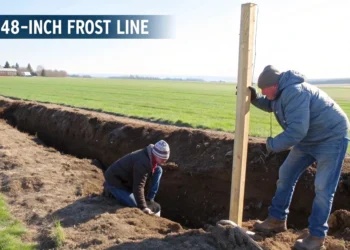
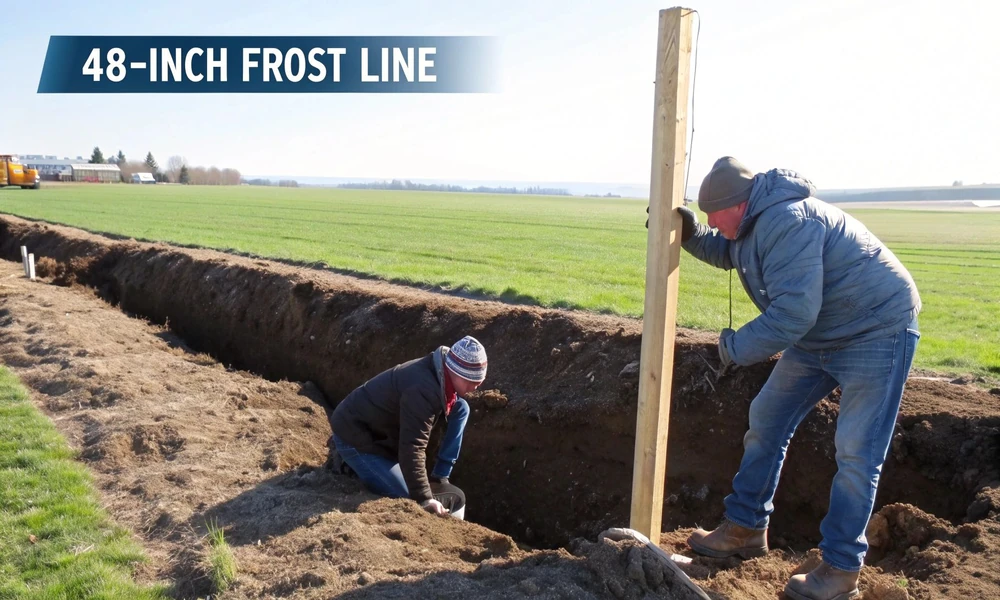
Boise’s winter freezes can push shallow fence posts upward as the soil expands, then leave them uneven when the ground thaws. This frost heave can gradually pull a fence out of line. Setting posts deep enough helps reduce that movement, though the required depth depends on local frost conditions and the soil around the footing. A six-foot fence may call for posts around nine feet long if roughly one-third of each post sits underground, but the installer should confirm the depth required for the site.
Setting Fence Posts for Treasure Valley Soil
Good installation answers the soil and the frost together. The steps that matter most include:
- Digging deep enough. Holes reach below the frost line and into stable soil instead of stopping at a convenient depth.
- Concrete footings. A concrete collar around each post, sloped at the top to shed water, keeps moisture from pooling at the base.
- Gravel at the bottom. A few inches of gravel under the post lets water drain away from the wood or metal.
- Protected hardware. Galvanized or coated fasteners resist the alkaline soil that would eat plain steel.
Petrified Fence adjusts post depth to suit the soil and frost exposure on each property, helping the fence stay upright through years of seasonal ground movement.
Drainage and Irrigation in the Treasure Valley
Irrigation can keep the soil around fence posts wet for months. In the Treasure Valley, lawn sprinklers run through much of the growing season, and water that collects around a post can speed up rot in wood and corrosion in metal. Good drainage helps water move away from the footing, while grading the ground away from the fence reduces pooling. Properties near irrigation canals or ditches may also have easement restrictions that need checking before installation.
What a Leaning Fence Can Tell You
If a fence starts leaning after winter, check the posts before blaming the panels. A gate that drags or no longer latches may point to a shifted post. Movement around the base can also mean the surrounding clay has loosened its grip as the soil swells and dries. These problems can develop when posts lack enough depth or a suitable footing for the ground. Fixing the cause early may save you from having to reset several posts later.
Why Fence Installation Needs to Match Local Soil
A post depth that works in sandy soil may cause trouble in the Treasure Valley’s heavier clay. Caliche can also make digging difficult, while alkaline soil can wear down unprotected metal hardware. The crew needs to account for what lies beneath the yard when choosing post depth, footing size, and fasteners. Those choices should come from the property itself, since ground conditions can vary even between nearby lots.
The Work Below Ground Keeps a Fence Stable
Once the fence is up, nobody sees how deep the posts go or how the footings were made. Those details become clear after a few Boise winters, when shallow posts may start lifting or leaning as the ground freezes and thaws. Taking the time to dig to the right depth and account for local soil helps prevent that movement. Cutting corners below ground can leave a homeowner dealing with repairs long after installation.