

Organization and safety are the direct links to efficiency in busy workplaces such as warehouses, factories, hospitals, and commercial facilities. Interior line striping is a solution that is often overlooked but highly effective. This is implemented by clear and permanent marks on floors to direct movements, define areas, and increase the overall working process. Line striping is simple, but it can significantly impact the efficiency, safety, and productivity of a work environment.
In this article, we will discuss how interior line striping enhances efficiency in the workplace and why it is worth the investment, both in the short run and long run.
1. Enhances Safety and Reduces Accidents
The basis of an efficient workplace is safety. Accidents are minimized when workers are aware of where they should walk, where they should keep their goods, and where equipment is being used. Moreover, line striping forms visual lines and routes that direct human foot traffic and machinery.
There are pedestrian paths that have colorful lines to ensure that workers are not hit by forklifts or heavy machinery. Also, hazard zones can be identified to make employees aware that they should be careful. With fewer accidents, there will be reduced downtime, fewer claims, and a smoother workflow, which will increase efficiency.
2. Organizes Workflow and Traffic Flow
The lack of order in the movement of people and equipment is among the most significant time consumers of large facilities. Striping of interior lines provides a clear design, which makes traffic movement easy. However, assigned machinery lanes, employee walking paths, and marked load or unload zones ensure day-to-day operations are quicker and more foreseeable.
Employees can accomplish their duties more effectively when they do not have to waste time trying to figure out where to go or how to overcome challenges. Organized traffic also minimizes congestion and avoids bottlenecks, particularly where traffic is heavy.
3. Maximizes Space Utilization
Inadequate utilization of the space will cause clutter, inefficiency, and unwarranted expenses. Interior line striping assists companies in optimizing each square foot by properly delineating areas used to store machines and workstations.
For example, line markings can designate pallet storage areas, staging zones, or equipment parking spots. This ensures that materials are stored in an organized way and can be quickly located when needed. By making the best use of available space, businesses avoid costly delays and keep operations running smoothly.
4. Supports Compliance with Safety Standards
There are numerous industries that have to adhere to stringent safety standards in the workplace, like those of OSHA. Striping interior lines is very important in compliance because it establishes visible and prominent safety markings.
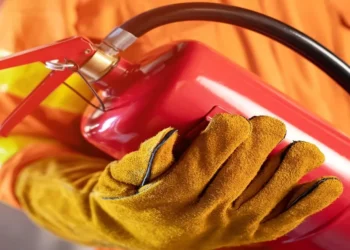
Labeling emergency exits, fire extinguishers, and first aid areas not only ensures compliance but also equips the facilities to be inspected. Remaining compliant will minimize fines, legal problems, and disruption of operations. This proactive approach will help to save time and resources, making the workplace more efficient. Hence, investing in this solution demonstrates a commitment to safety, organization, and operational excellence, all of which drive long-term success.