

Ever notice your AC acting strange after a big dust storm rolls through? If you live in Northern California, especially during dry and windy seasons, dust storms can hit fast, and your HVAC system often takes the biggest hit.
So what exactly happens to your AC during a dust storm, and how can you protect it before damage is done? Let’s break it down.
What Does A Dust Storm Do To Your AC?
Dust storms may look dramatic outside, but the real damage often happens quietly inside your AC.
- Clogged Air Filters: All that dust swirling around can quickly clog your air filters. When filters get packed with debris, your AC has to work overtime just to pull air through. That stress can cause overheating or even system failure.
- Reduced Airflow: Dust can coat your outdoor condenser coils and sneak into your ductwork. That buildup blocks airflow and makes your AC less efficient, and in some cases, it can cause your system to freeze up.
- Component Damage: Sharp debris or tiny particles can get inside your outdoor unit and mess with fan blades, motors, and even wiring. That’s where repair costs can really pile up.
- Power Surges: Storms can cause sudden power outages and surges. And guess what? Your AC’s electrical parts don’t like surprises.
How Can You Protect Your AC From A Dust Storm?
The good news is you can take simple steps to protect your HVAC system before and after a storm.
- Turn Off The AC: If you know a dust storm is headed your way, turn your system off. Running it during a storm just invites dust inside.
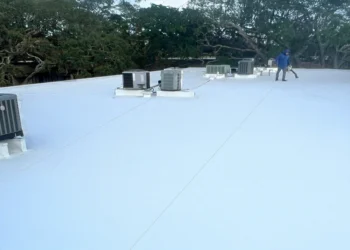
- Cover The Outdoor Unit: Use a tarp or a fitted AC cover to shield your outdoor condenser unit. This helps keep flying debris and dust from settling in.
- Seal Your Home: Close windows, doors, and any gaps where dust could sneak in. This helps your system stay cleaner once you turn it back on.
- Clean After The Storm: Once the air clears, rinse off your outdoor unit with a garden hose (on low pressure). Focus on the coils and fins.
- Replace The Filter: After any dust event, always replace or clean your air filter. This is one of the easiest and most important things you can do.
- Think About A Surge Protector: If power outages are common in your area, installing a surge protector for your AC is a smart way to avoid electrical damage.
Need Help After A Dust Storm? Call Moore Home Services For Fast, Professional AC Inspections And Cleanings That Keep Your System Running Strong.