

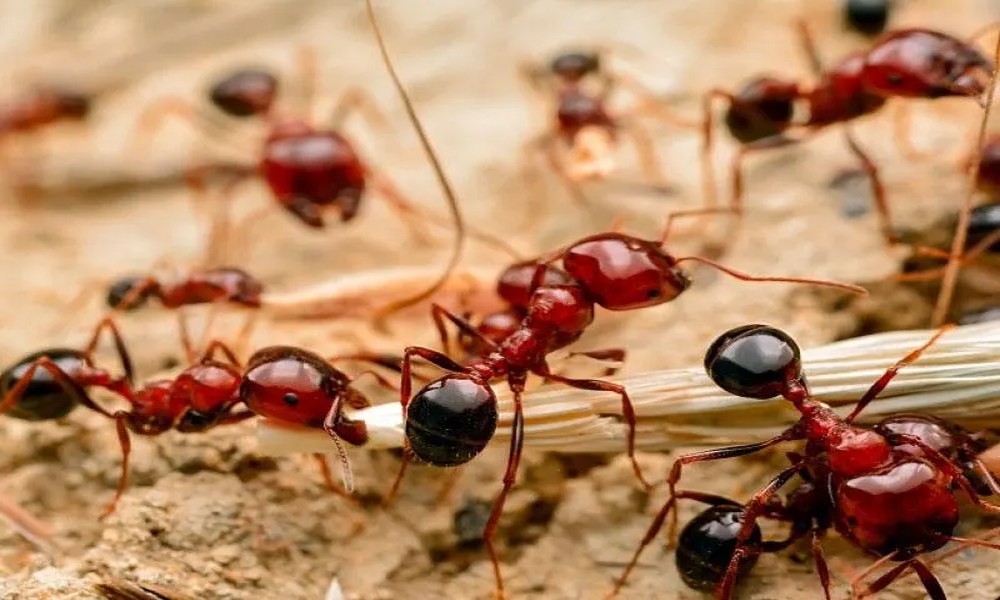
If you have been around a Winter Garden yard here recently, you have seen those plus-sized mounds in the grass that look like small moons. Fire ants are a major urban pest problem in Central Florida (as they are elsewhere) and with good cause!
With its ideal climate, wide-open residential lots, and hot pace of new development, Winter Garden provides them with just about everything they need for a year-round livelihood. Avata Pest Control provides targeted fire ant treatment plans customized for Orange County homeowners, especially if your yard is already exhibiting signs of activity.
Why Florida Is Fire Ant Territory?
Florida does not only have a fire ant problem. Instead, it has one of the worst fire ant problems in the country. Presently, more than 367 million acres are occupied by imported fire ants in the southern U.S. regions, including Florida, Texas, Georgia, and Alabama.
Annual fire ant infestations cost the U.S. more than $6 billion, and Florida is often one of the most affected states. Fire ants thrive in Florida’s warm climate and are active all year long, with activity peaking during the warmer months of spring through fall. For northern states, winter does provide some natural population control; Winter Garden residents contend with fire ant pressure throughout the year.
The Real Risks: Beyond a Painful Sting
A fire ant is considered a nuisance by most people. But it is far more serious.
In endemic areas, fire ants are responsible for more insect-induced anaphylaxis than all other stinging insects combined in the southeastern USA. A fire ant sting can quickly escalate from a nuisance to an emergency for kids playing in yards, older residents, and those with previous medical conditions.
In areas infested with fire ants, an estimated 1 in 3 people are stung each year; approximately 20% of stings will cause a large local reaction, and between 0.5% and 2% may result in a systemic allergic response progressing to life-threatening anaphylaxis.
Even the damage extends past health risks, too:
- Mounds: ruin the grass roots and create an uneven blade of grass, therefore an unusable yard.
- Equipment interference: Fire ants also can tunnel, which can lead to damage in sprinkler systems, A/C units, and electrical wiring.
- Pet danger: small pets snooping around mounds can get dozens of stings before their owners can act
- Garden variety: fire ants feed on seedlings, tree roots, and vegetable plants found in many Winter Garden backyards
How to Reduce Fire Ant Pressure (Practically)
Find out how to implement these practical steps to relieve fire ant pressure.:
- Collect dropped fruit quickly and do not leave dog food outside overnight
- Shorten watering and irrigation to keep the soil moist, but not soggy like a nest
- Edge the lawn and keep thick ground cover that obscures mounds out of the way
- As soon as identifiable mounds show up, treat them one at a time with approved contact treatments
- Do not disturb mounds directly – fire ants will swarm aggressively, and just one disturbed mound can sting dozens of people in seconds
Removing fire ants is not a simple task, and effective control means using multiple tested measures in combination to decrease populations and avoid the birth of new colonies. In a yard under pressure from beloved neighbors and nearby construction, only professional service could give the effect that actually sticks.
The Bottom Line for Winter Garden Homeowners
If you think fire ants are going away on their own in Winter Garden, here is some news. They have all of these factors playing into their favor: the climate, the soil, the landscaping, and development activity, too. What you can control is how proactively you attack the issue, before it has the opportunity to spread throughout your entire yard, or worse yet, become a health hazard for your family and pets. This is where Avata Pest Control really steps in. The team has an understanding of fire ant behavior specific to Central Florida and their seasonal activity patterns, as well as the type of yard conditions that keep colonies returning in Winter Garden neighborhoods.