

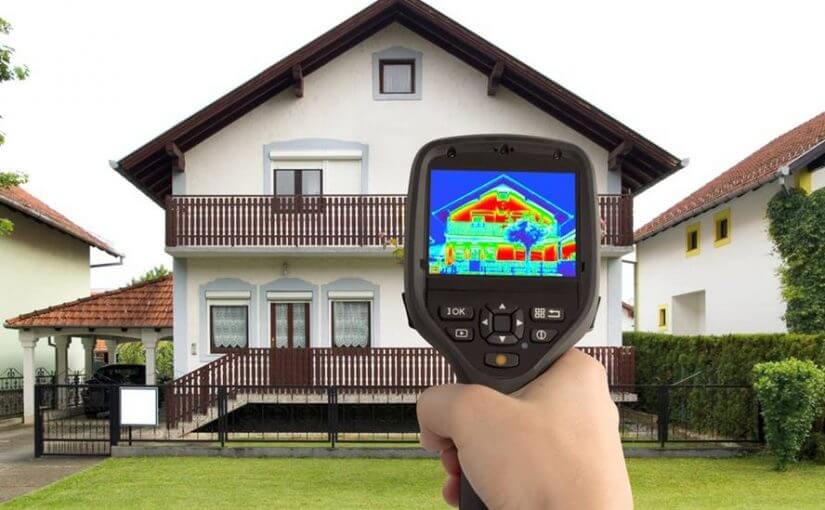
Thermal imaging, also known as infrared thermography, is a non-invasive technology that uses specialized cameras to detect and measure heat radiation from objects. These cameras visually represent temperature variations, with different colours representing different heat levels. In building inspections, thermal imaging areas where heat is escaping from a home indicate poor insulation, air leaks, or other energy inefficiencies.
Thermal imaging works in building inspections
During a building inspection that includes thermal imaging, a trained inspector will use an infrared camera to scan the interior and exterior of a home. The camera detects temperature variations and creates a colour-coded image highlighting heat loss or gain areas.
- Insulation issues– Thermal imaging identifies areas where insulation is missing, damaged, or inadequate. This is particularly useful in detecting problems in walls, ceilings, and attics, where insulation is critical for maintaining a comfortable indoor temperature and reducing energy waste.
- Air leaks– Infrared cameras pinpoint air leaks around windows, doors, and other openings, allowing conditioned air to escape and outside air to enter the home. Homeowners can improve their home’s energy efficiency and comfort by sealing these leaks.
- Moisture intrusion– Thermal imaging detects moisture intrusion, leading to mould growth, structural damage, and reduced insulation effectiveness. By identifying and addressing moisture issues early on, homeowners prevent more severe problems.
- HVAC system inefficiencies- Infrared thermography assesses the performance of a home’s heating, ventilation, and air conditioning (HVAC) system. It detects air duct leaks, uneven heating or cooling distribution, and other issues that impact the system’s efficiency and effectiveness.
Thermal imaging for Sydney homeowners
Incorporating thermal imaging into building inspections offers numerous benefits for Sydney homeowners.
- Energy savings– Homeowners reduce energy consumption and lower utility bills by identifying and addressing energy inefficiencies. This cost savings over time, especially in a city like Sydney, where energy prices are relatively high.
- Improved comfort– Fixing issues like insulation gaps, air leaks, and HVAC system problems maintains a more consistent and comfortable indoor temperature throughout the year. This improves the home’s overall liveability and improves its occupants’ well-being.
- Increased Home Value– Energy-efficient homes are increasingly attractive to buyers, as they offer the potential for long-term cost savings and a reduced environmental footprint. Homeowners boost their home’s value and appeal by investing in energy efficiency improvements based on thermal imaging findings building inspections Sydney.
- Prevention of moisture-Related Issues: Thermal imaging detects moisture intrusion early on, allowing homeowners to address the problem before it leads to more extensive damage like mould growth or structural deterioration. This saves homeowners from costly repairs and potential health hazards.
- Targeted Retrofit Planning: With the detailed information provided by thermal imaging, homeowners prioritize energy efficiency upgrades based on the most critical areas of energy loss. This targeted approach helps maximize the return on investment for retrofit projects and ensures that resources are allocated effectively.
Thermal imaging must provide a complete picture of a home’s energy performance. It should be used alongside other techniques like blower door tests, energy audits, and visual inspections to ensure a home’s energy efficiency. The effectiveness of thermal imaging is influenced by various factors, such as weather conditions, time of day, and the presence of reflective surfaces. Experienced inspectors know how to account for these variables and interpret thermal images accurately.